

Why Buffer Time Matters on a Wedding Day
A wedding day timeline rarely unfolds exactly as planned. Even the most organized days include small delays, unexpected moments, and emotional pauses that cannot be rushed. That’s why buffer time matters on a wedding day. It creates breathing room in the timeline so the day can unfold naturally without stress or pressure.
Buffer time is not wasted time. It is what allows the day to feel calm, flexible, and fully experienced rather than rushed from one moment to the next.
What Is Buffer Time on a Wedding Day?
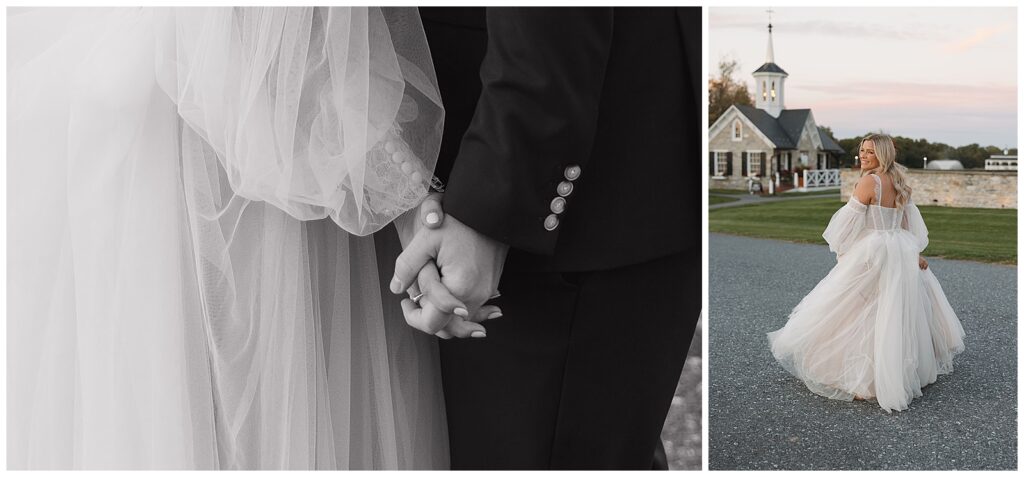
Buffer time is intentional space built into your wedding day timeline. It is extra time added between major events to account for real life moments such as getting dressed, travel, family interactions, and emotional pauses.
Instead of scheduling events back to back, buffer time allows your timeline to absorb small delays without impacting the rest of the day. When buffer time is present, the day stays on track even when things don’t happen exactly on schedule.
Why Buffer Time Matters for a Calm Wedding Day
One of the biggest reasons buffer time matters on a wedding day is stress reduction.
Without buffer time, even a small delay can create a chain reaction. Hair and makeup runs late, photos feel rushed, transportation gets tight, and the pressure builds. When buffer time is included, the timeline can flex without panic.
A calm timeline allows you to stay present instead of watching the clock.
Buffer Time Protects Your Wedding Photos
Wedding photography relies on light, timing, and emotion. When buffer time is missing, photography becomes reactive instead of intentional.
Buffer time allows:
• Portraits to feel relaxed instead of forced
• Family photos to move efficiently without tension
• Candid moments to unfold naturally
• Light to be used thoughtfully instead of rushed
When there is space in the timeline, your photographer can focus on storytelling instead of speed.
Emotional Moments Cannot Be Rushed
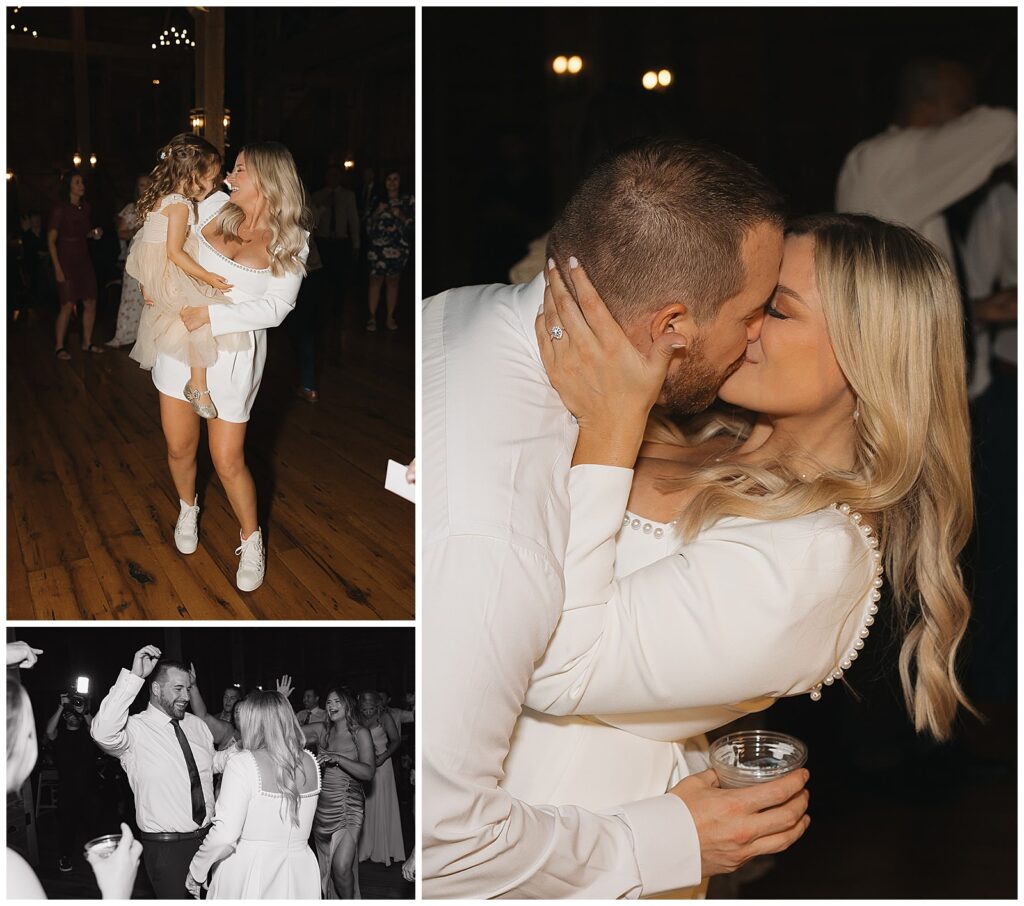
Some of the most meaningful moments on a wedding day cannot be scheduled down to the minute.
A parent seeing you dressed for the first time.
A quiet pause before the ceremony.
A long hug that lasts longer than planned.
Buffer time gives these moments room to exist without being cut short. It allows emotion to lead instead of the clock.
Buffer Time Helps Everything Stay on Track
Ironically, adding buffer time often makes a wedding day run more smoothly.
When buffer time is built in:
• Vendors can work more efficiently
• Transitions feel smoother
• Small delays don’t derail the schedule
• The overall pace feels intentional
Instead of constantly catching up, the day flows forward with ease.
Where Buffer Time Matters Most
Buffer time is especially important in these parts of the day:
• Getting ready
• Travel between locations
• Before the ceremony
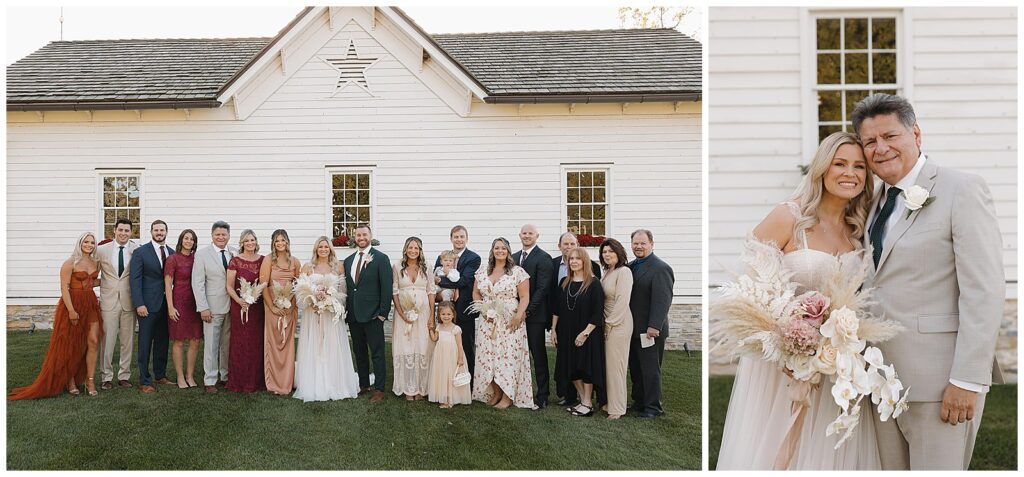
• Family and group portraits
• Sunset portraits
These are the moments where flexibility protects both the experience and the final outcome.
A Well Planned Timeline Feels Effortless
Buffer time is one of the biggest differences between a wedding day that feels rushed and one that feels intentional.
When your timeline includes space to breathe, the day feels less like a checklist and more like a story unfolding. You are able to stay present, trust the process, and enjoy the moments as they happen.
That is why buffer time matters on a wedding day. Not because things will go wrong, but because real life moments deserve room to exist.